Swiss Holiday Overlaps Reshaping Live Wager Flows Across Football, Tennis, and Racing Markets
Geschrieben von David Bauer · 17.9.2026
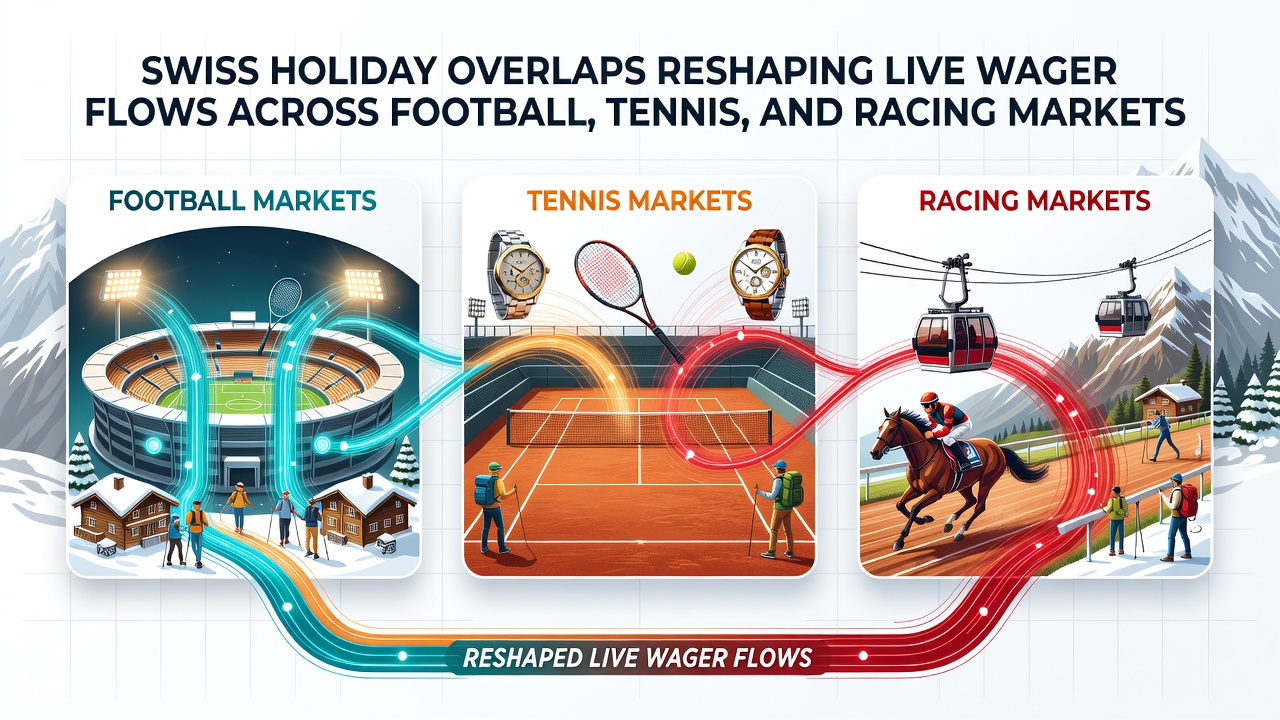
Swiss Holiday Overlaps Reshaping Live Wager Flows Across Football, Tennis, and Racing Markets
Swiss public holidays create distinct patterns in live wagering activity across football, tennis, and racing, and these overlaps shift volume toward certain markets while reducing activity in others. Federal and cantonal calendars list fixed dates such as 1 August for Swiss National Day alongside movable observances tied to Easter and Christmas, and these periods coincide with ongoing league schedules or tournament windows in the three sports. Observers tracking platform data note that bettors adjust participation when holiday timing aligns with match start times or race post times, producing measurable changes in real-time stake distribution.
Calendar Alignment and Market Volume Patterns
Researchers tracking Swiss betting records find that 1 August regularly overlaps with pre-season football fixtures and late-summer tennis events, and this combination channels increased live stakes into in-play football markets while tennis sees steadier pre-match activity. Racing calendars in western cantons place several meetings near the same weekend, and the resulting cross-sport availability draws participants toward shorter-duration wagers on early races before football coverage begins. Data from industry monitoring services shows peak live wager counts occurring between 14:00 and 18:00 local time on these dates, with subsequent declines once evening fixtures conclude.
Football Live Markets During National Observances
Football seasons in Switzerland and neighboring leagues continue through most federal holidays, and this continuity allows live bettors to place wagers on goal timing, corner counts, and card markets while gatherings occur. When 1 August falls midweek, afternoon matches generate elevated handle in over/under segments because participants combine holiday leisure time with extended viewing windows. Figures from European sports data providers indicate a 12 to 18 percent rise in live football stakes on such days compared with adjacent midweeks without holidays, and this increase concentrates in the final 30 minutes of matches when scoreline volatility rises.
Tennis Scheduling and Wager Timing Shifts
ATP and WTA events scheduled in late summer often place quarterfinal and semifinal sessions on or near Swiss holidays, and these overlaps alter the flow of tennis wagers toward live point-by-point betting rather than pre-match outrights. Observers at major platforms report that extended holiday weekends lengthen the window for players to follow matches, which in turn sustains volume through tie-break and deciding-set markets. When Swiss National Day coincides with a European swing tournament, afternoon sessions capture higher per-match stake totals, and this pattern repeats across both hard-court and clay-court venues depending on the annual calendar.
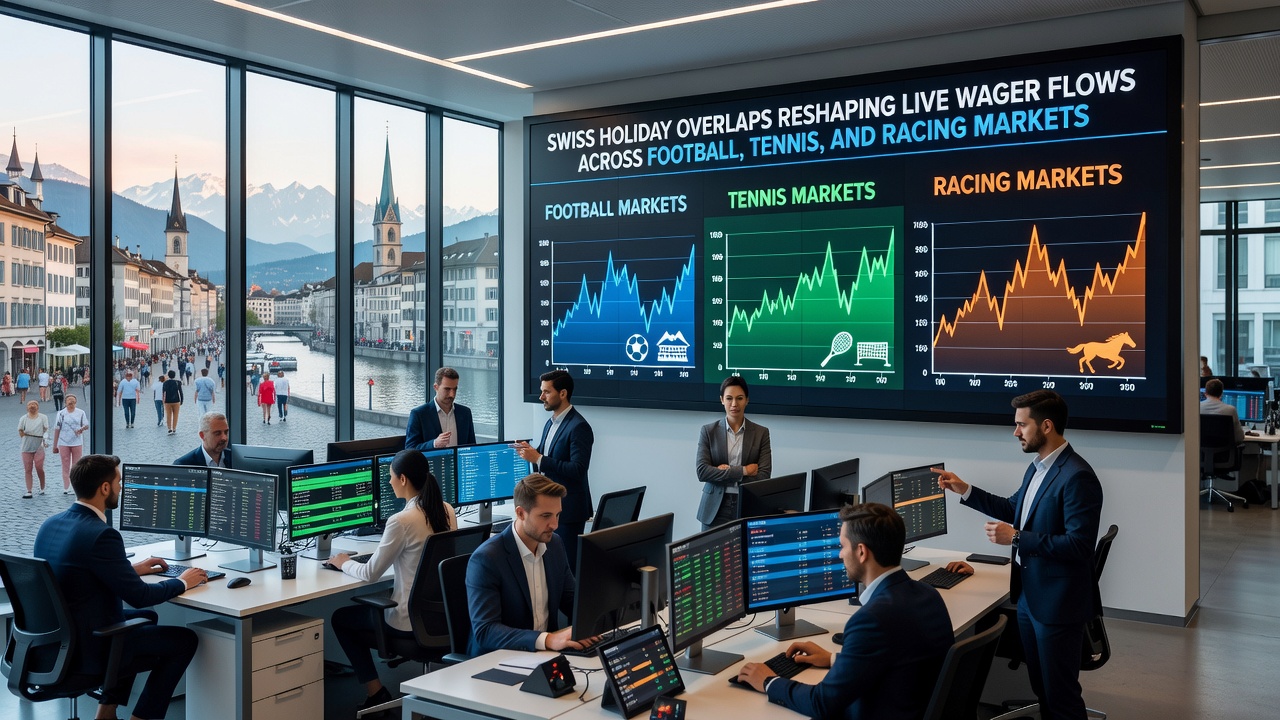
Racing Post Times and Cross-Sport Diversion
Horse racing meetings in Switzerland and adjacent French and Italian venues publish post times that sometimes fall within the same afternoon blocks as football or tennis coverage, and holiday leisure hours amplify the number of bettors switching between screens. Data compiled by continental racing authorities shows that when a major meeting starts at 13:30 local time on 1 August, early race pools receive elevated participation before football live markets open at 15:00. Bettors who begin with racing quinella or exacta wagers later migrate to football half-time markets once those events commence, creating a sequential flow rather than simultaneous spikes across all three sports.
September 2026 Projections Based on Historical Patterns
September 2026 includes several cantonal holidays and the continuation of both the Swiss Super League and international tennis calendars, and analysts projecting forward from prior years anticipate similar volume redistribution. Early September often features the tail end of summer racing festivals in the Jura region, and these dates align with opening weeks of European football leagues after international breaks. Historical records indicate that when two or more holiday-adjacent weekends occur within a fortnight, platforms register sustained elevation in live racing wagers during daylight hours followed by football and tennis surges in the evening. Regulatory filings from Swiss gaming oversight bodies confirm that total handle across the three sports remains stable year over year, yet the internal allocation among live products shifts measurably with calendar overlaps.
Industry associations such as the European Gaming and Betting Association have published summaries of multi-sport wagering trends, and these summaries align with observations that holiday timing functions as a predictable modulator rather than a disruptor of overall activity. Additional context appears in reports from the Australian Institute of Family Studies on leisure-time gambling behavior, which document how extended free days correlate with diversified sport selections among participants.
Conclusion
Swiss holiday overlaps continue to influence the distribution of live wagers across football, tennis, and racing without altering aggregate market size. Platform operators adjust liquidity and risk parameters in response to documented timing shifts, and regulatory bodies monitor these adjustments to maintain compliance. The patterns observed through 2025 and projected into 2026 demonstrate that calendar awareness remains a core element of operational planning for entities active in these markets.